
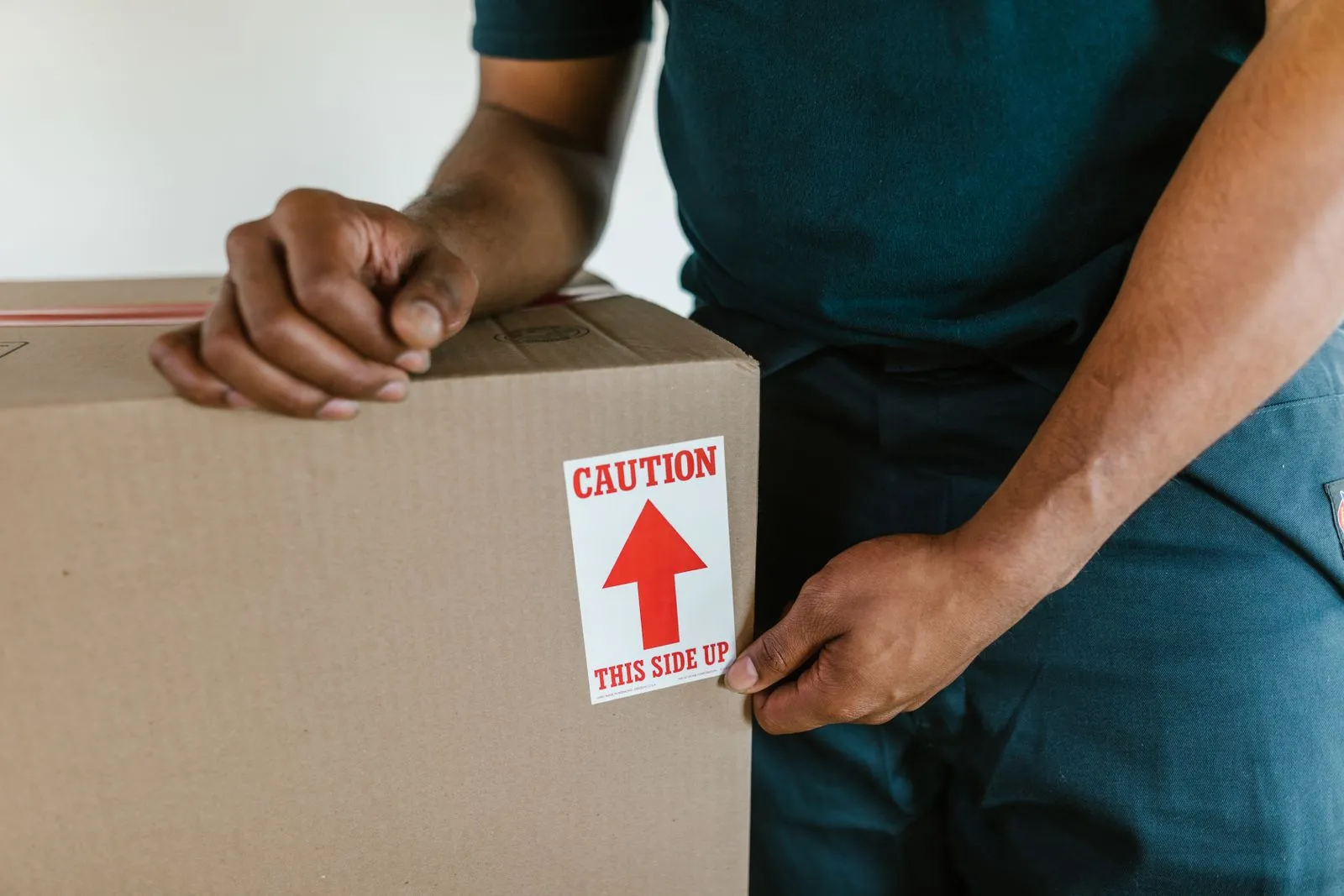
A small move still calls for careful planning. A sofa that clears the living room may not fit through a hallway turn, and a short carry can become difficult if stairs or entrances are blocked. Before moving day, measure large pieces and tight passages, make a clear route, and protect furniture that could scratch or stain. Share parking, entry, and building instructions with your movers in advance so they can plan the job around the space.
Measure Furniture and the Route
Measure each large piece at its widest, tallest, and deepest points. Include removable legs, handles, or other parts that affect the fit. Then measure door openings, hallways, stair landings, and elevator interiors along the route from the room to the moving vehicle. Check tight turns as well as straight openings; a piece may fit through a doorway but still be too long to turn in the hall.
Write the measurements down and note any obstacles, such as a low ceiling, narrow stairwell, or fixed railing. If an item seems unlikely to fit, ask the moving team about options before moving day. They can advise whether to remove legs, use another exit, or plan a different approach. Avoid forcing furniture through a tight space, since pressure can damage both the piece and the walls.
Clear the Carrying Path
Walk the full route and move shoes, rugs, plant stands, boxes, and other loose items out of the way. Keep hallways and landings open, and secure cords or cables against a wall. If children or pets will be home, arrange a separate space for them while furniture is being carried. A clear path gives movers room to handle bulky items safely and reduces the chance of trips or bumps.
Check both the home and the building’s shared areas. Arrange access to entrances, elevators, or loading areas when required, and avoid leaving belongings where they could block neighbors or building staff. If a rug cannot be moved, secure its edges so they do not curl. Leave enough room near each item for the crew to lift and turn without needing to rearrange the space mid-move.
Protect Furniture and Surfaces
Empty drawers and shelves unless your moving team has confirmed that a particular piece can travel with contents inside. Remove loose shelves, glass panels, and detachable hardware, then keep small parts together in a labeled bag. Secure doors only with a method that will not pull off the finish. For delicate pieces, point out fragile areas before the crew begins wrapping or carrying them.
Use clean moving blankets or suitable padding on wood, glass, and upholstered surfaces. Avoid wrapping damp items, and do not apply tape directly to finished wood, painted surfaces, or fabric. Protect corners and legs, which often take the first impact through a doorway. Clear a place near the exit for wrapped furniture so it stays separate from unprotected items and does not block the route.
Share Access Details Early
Send your movers the complete addresses, the best entrance to use, and any relevant parking or loading instructions. Explain whether the building requires an entry code, key, reservation, or advance notice for elevator use. Include details about stairs, long walks from parking, gate access, and any time restrictions. Confirm who will be present to let the crew in at each location.
Share these details as soon as you have them, then confirm any changes before the appointment. Tell the team about unusually heavy, fragile, or awkward furniture and flag tight turns or limited parking. Pittsburgh Petite Moves can use clear access information to plan a more orderly small move. Keep your phone available on moving day in case the crew needs clarification at the entrance.
A little preparation helps furniture move through the space with fewer delays and less risk of damage. Measure first, clear the route, protect vulnerable surfaces, and send access instructions before the appointment. Once those details are ready, confirm the plan with your moving team and ask about any item or access concern you are unsure how to handle.